Canine Cognitive Dysfunction: What Alzheimer’s Taught Me About Nurturing My Dog
As many of you know, I own Family Choice for Dementia. I work with caregivers every day—helping them understand their options, providing resources, and guiding them through one of the hardest decisions they’ll ever make: finding the right assisted living or memory care community for someone they love.
It’s not just work for me. It’s personal. It’s my passion, and truthfully, my phone is never off.
I didn’t expect to be walking a similar path at home with my dog.
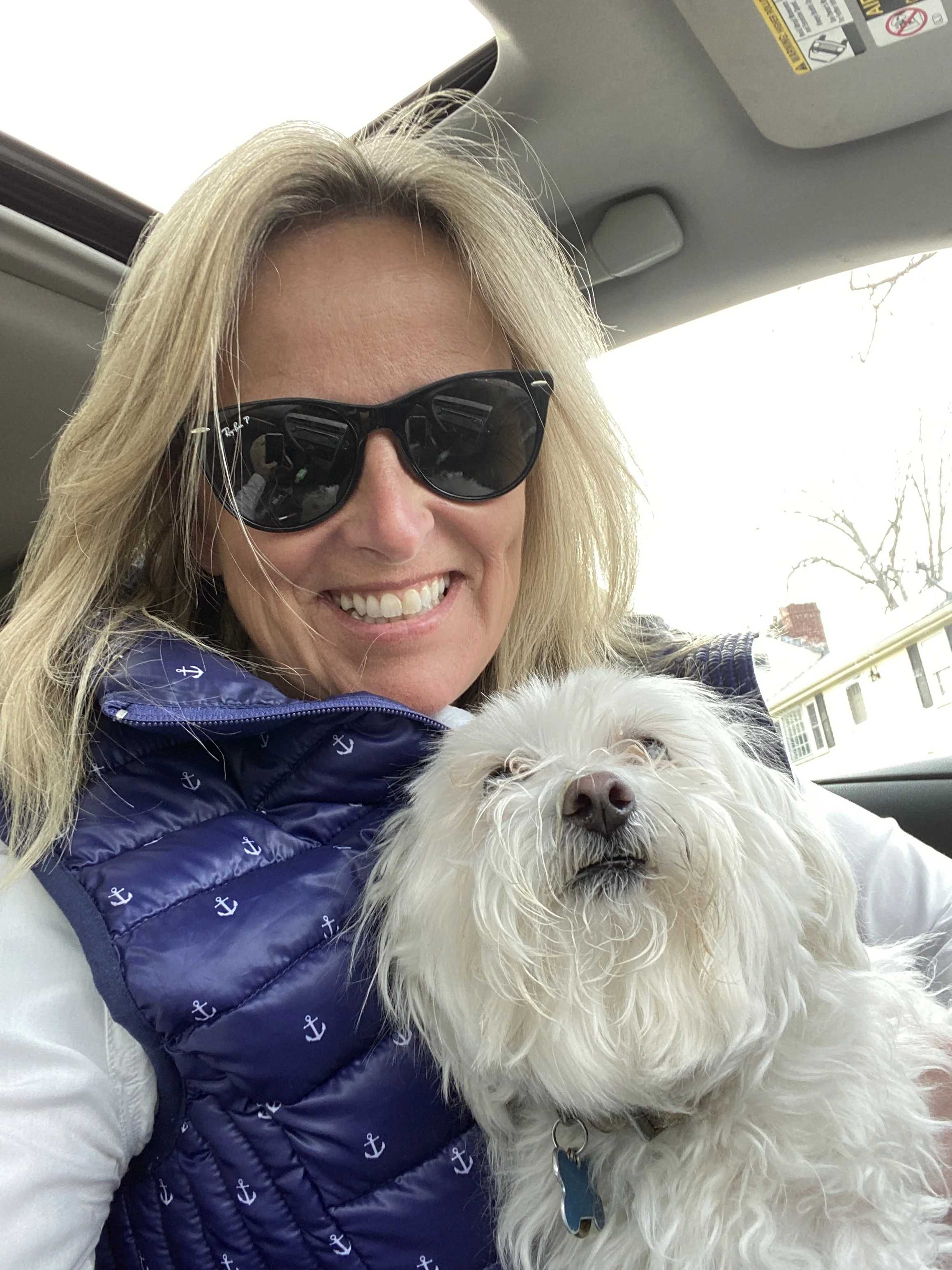
My Maltese, Brady, is 16. He can’t hear anymore and sees out of only one eye. Over time, his behavior started to change in ways that felt familiar to me—not as a dog owner, but as someone who works in Alzheimer’s care. He would stop at the black floor and refuse to walk, snap at things I couldn’t see, and become more unsettled at night, sometimes even reactive in a way that felt unlike him.
At first, it’s easy to explain things like this away—aging, vision, personality. But this is something I’ve learned in my work: when the brain changes, behavior changes.
Brady has canine cognitive dysfunction, which most people call dog dementia. It’s essentially a form of brain aging where changes in the brain affect memory, awareness, and how a dog processes what they see and feel. Dogs don’t lose language the way people do, but they do lose clarity. Familiar spaces can feel unfamiliar, shadows can look like movement, and surfaces can appear unsafe.
This isn’t a dog being difficult or stubborn. This is a brain trying to make sense of a world that no longer feels predictable.
I see the same thing in the families I support. A loved one resists a shower, becomes agitated at night, or gets confused in a familiar space. It can feel personal if you don’t understand what’s behind it, but often it comes down to this: what they are experiencing doesn’t match what we think is happening.
I’ve seen people become distressed during something as simple as a shower—not because they don’t want help, but because their brain can’t make sense of what’s happening. They can feel the water hitting their body but can’t clearly see it. That disconnect can feel threatening, so the response isn’t refusal—it’s protection.
When Brady stopped at the dark floor, I realized he might be seeing it the same way—not as a floor, but as something unsafe, like a hole or water.
So I put down a mat, and he walked right across.
That moment changed how I approached everything. At one point, I covered the hallway with bright yoga mats so he could move safely through the house. It worked—for him, it created a clear, safe path.
For my husband, it created concern.
He walked in, looked down the hallway, then looked at me like he was trying to figure out if I was okay. Fair question. But this is what care often looks like, whether it’s for a person or a dog—you adjust the environment instead of forcing them to adjust to you.
As Brady’s hearing and vision declined, I also had to change how I approached him. In memory care, we never come up from behind. We enter someone’s line of sight, give them time to recognize us, and then we touch. I do the same with Brady now. If I reach for him without warning, he startles. If I let him see me first, he stays calm. That small shift makes a big difference.
Routine matters too—not because it’s remembered, but because it’s felt. A consistent rhythm to the day reduces anxiety and removes the need to figure things out constantly. That applies to the families I support and to Brady. When things are predictable, he’s more settled. When they’re not, he struggles more.
Care at this stage becomes less about fixing anything and more about reducing stress. Better lighting, safer surfaces, slower movement, and familiar routines may seem small, but together they create something powerful: a sense of safety.
That’s what I help families do every day as they navigate dementia. Whether they’re caring for someone at home or trying to decide if it’s time for more support like assisted living or memory care, the goal is always the same—make the environment match what the person can handle, not the other way around.
Brady is on that same path now. He doesn’t experience the world the way he used to, and there’s a quiet grief in that. But there’s also clarity. He still feels comfort, fear, and love, and he still knows when he feels safe.
That’s the goal now—not perfection, not correction, and not bringing things back to the way they were. Just safety, comfort, and meeting them where they are, even if that means living in a house full of yoga mats.